The Professional Standard for Artwork Placement: A Guide by Seido Art Services
The Professional Standard for Artwork Placement
A Guide by Seido Art Services
What Is the Correct Height to Hang Artwork?
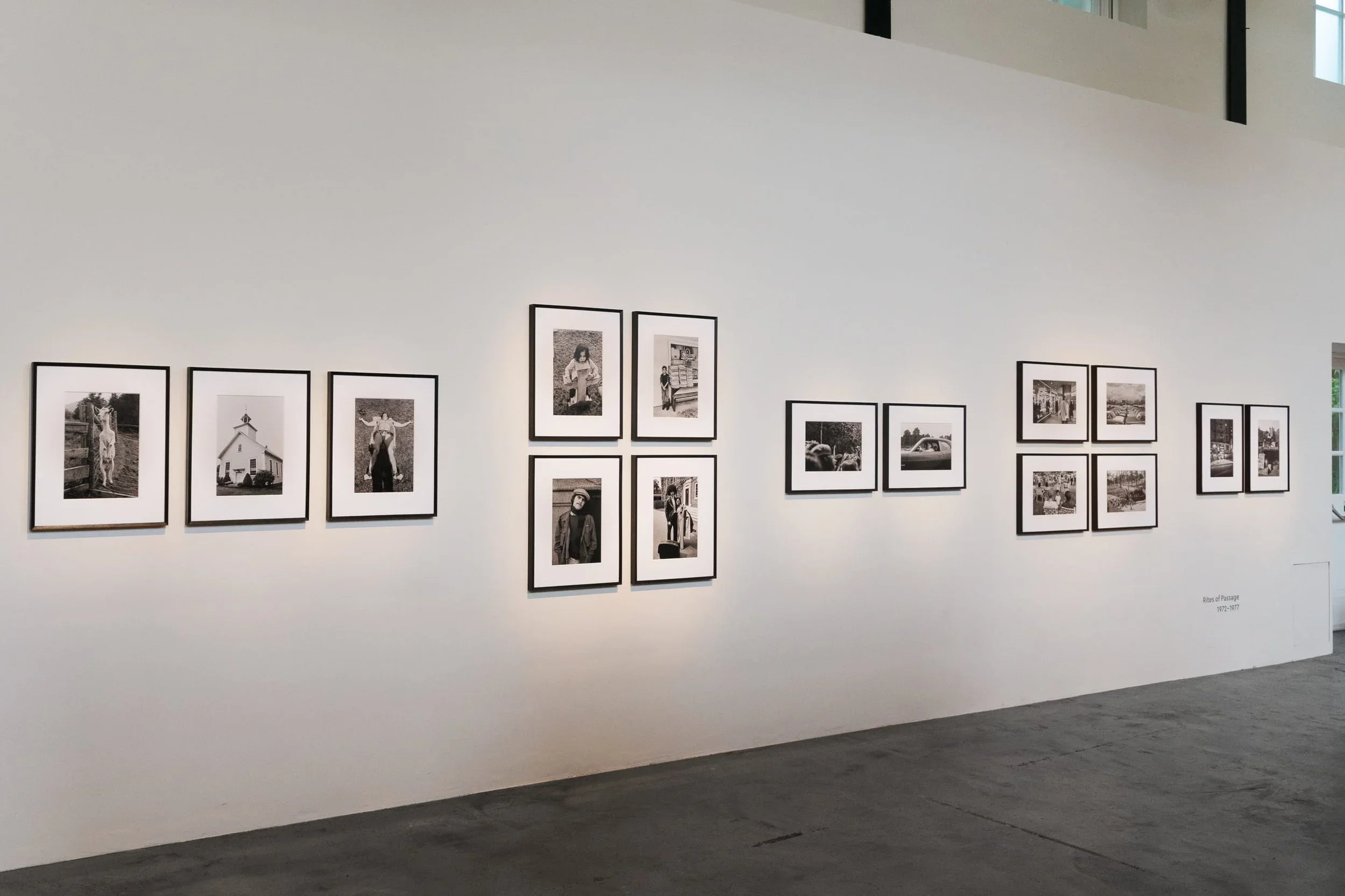
The professional standard for hanging artwork is to position the vertical centre of the artwork at 150 cm (59 inches) from the floor. This measurement, known internationally as the gallery standard, aligns the artwork with average human eye level and creates a natural, comfortable viewing experience.
The 150cm rule exists to reduce visual strain and create consistency across spaces.
This standard is used by museums, galleries, and professional art installers worldwide. However, it is a starting point, not a rigid rule. Architectural features, furniture, ceiling height, and room function all require informed adjustment.
Why the 150 cm (59-Inch) Rule Works
Artwork is viewed primarily while standing or walking through a space. Hanging art too high forces the viewer’s gaze upward, while hanging it too low disrupts balance and flow.
The centre-at-150 cm rule aligns the artwork with the natural resting position of the human eye.
This creates:
Visual comfort
Consistent sightlines
A cohesive rhythm when multiple works are displayed
In gallery settings, this consistency allows the eye to move effortlessly from one piece to the next.
The Core Principles of Professional Art Installation
Professional artwork placement balances measurement, proportion, and context. At Seido Art Services, we apply the following principles to achieve a museum-quality finish.
1. The 150 cm Rule as a Visual Anchor
The purpose of the 150 cm rule is not precision for its own sake, but visual harmony.
The gallery standard acts as a universal anchor point for the viewer’s eye.
When installing multiple artworks, the measurement is taken to the centre of the entire grouping, not each individual frame.
A group of artworks should be treated as a single visual unit.
2. Anchoring Artwork to Furniture
When artwork is installed above furniture, the relationship to the furniture becomes more important than the floor measurement.
Recommended guidelines:
Vertical clearance:
Artwork should sit 15–20 cm (6–8 inches) above the top of a sofa, headboard, or sideboard.Proportional width:
The artwork or grouping should span two-thirds to three-quarters of the furniture width below.
Furniture establishes the visual baseline when art is hung in living spaces.
Ignoring this relationship often makes artwork feel disconnected or “floating.”
3. Adjusting Artwork Height for Ceiling Proportions
Ceiling height dramatically affects how artwork is perceived.
High ceilings
In rooms with tall ceilings, artwork hung strictly at 150 cm can appear visually isolated.
In high-ceilinged rooms, visual weight matters more than fixed measurements.
Solutions include:
Slightly raising the centre point
Grouping works vertically
Using larger-scale pieces
Low ceilings
In lower rooms, artwork should be positioned slightly lower to maintain proportion.
Lowering artwork can make a room feel taller and more open.
How to Hang Artwork on Staircases
Staircases require a different approach because the viewer is constantly changing height.
On staircases, artwork should follow the incline of the stairs rather than the floor.
Professionally, we:
Measure the 150 cm centre point from every second or third step
Create a diagonal alignment that mirrors the staircase angle
Maintain consistent spacing between frames
This produces a natural visual flow as the viewer ascends or descends.
Technical Considerations: Safety and Preservation
Professional installation is not only about aesthetics. It also protects the artwork and the building.
Wall structure and fixings
Every wall has a different structural anatomy.
Fixings must be selected based on:
Brick, plaster, plasterboard, or concrete
Artwork weight
Frame construction
Correct anchors are as important as correct placement.
Environmental risks
Artwork should not be installed near:
Heat sources
Direct sunlight
High-humidity zones
Heat, moisture, and airborne particles can permanently damage artwork.
This is particularly important in kitchens, bathrooms, and near fireplaces.
Visual weight vs. physical size
Large artworks exert strong visual presence.
Large-scale works often need slightly higher placement to avoid crowding furniture or floors.
This adjustment maintains balance without breaking professional standards.
Common Artwork Hanging Mistakes
Hanging art too high
Ignoring furniture relationships
Measuring individual frames instead of the full grouping
Using incorrect wall fixings
Treating hallways and staircases like flat walls
Most hanging mistakes come from ignoring context rather than measurement.
Professional Summary and Best Practice
The 150 cm rule provides the foundation for professional artwork placement, but successful installation always responds to the space.
Professional hanging harmonises artwork with architecture, furniture, and movement.
Seido Art Services recommends:
Using the gallery standard as a starting point
Treating multiple works as one visual system
Adjusting height based on room function
Prioritising safety and preservation alongside aesthetics
Correct artwork placement makes art feel intentional, balanced, and complete.