How Heavy Is Too Heavy to Hang Yourself? A Professional Guide to Picture & Mirror Weight Limits
One of the most common questions we're asked is surprisingly difficult to answer:
"Is my picture or mirror too heavy to hang myself?"
Most people expect the answer to be a simple number. Twenty kilograms? Forty? Fifty?
In reality, weight is only one part of the equation.
As professional art installers, we have safely installed everything from small framed prints to mirrors weighing well over 100kg and large-scale artworks requiring specialist lifting equipment. Over the years we've found that the deciding factor is rarely just how much an item weighs. Its size, construction, centre of gravity, the wall it is being fixed to and the method used to secure it are often far more important.
Weight Is Only the Starting Point
Two artworks that weigh exactly the same can present completely different installation challenges.
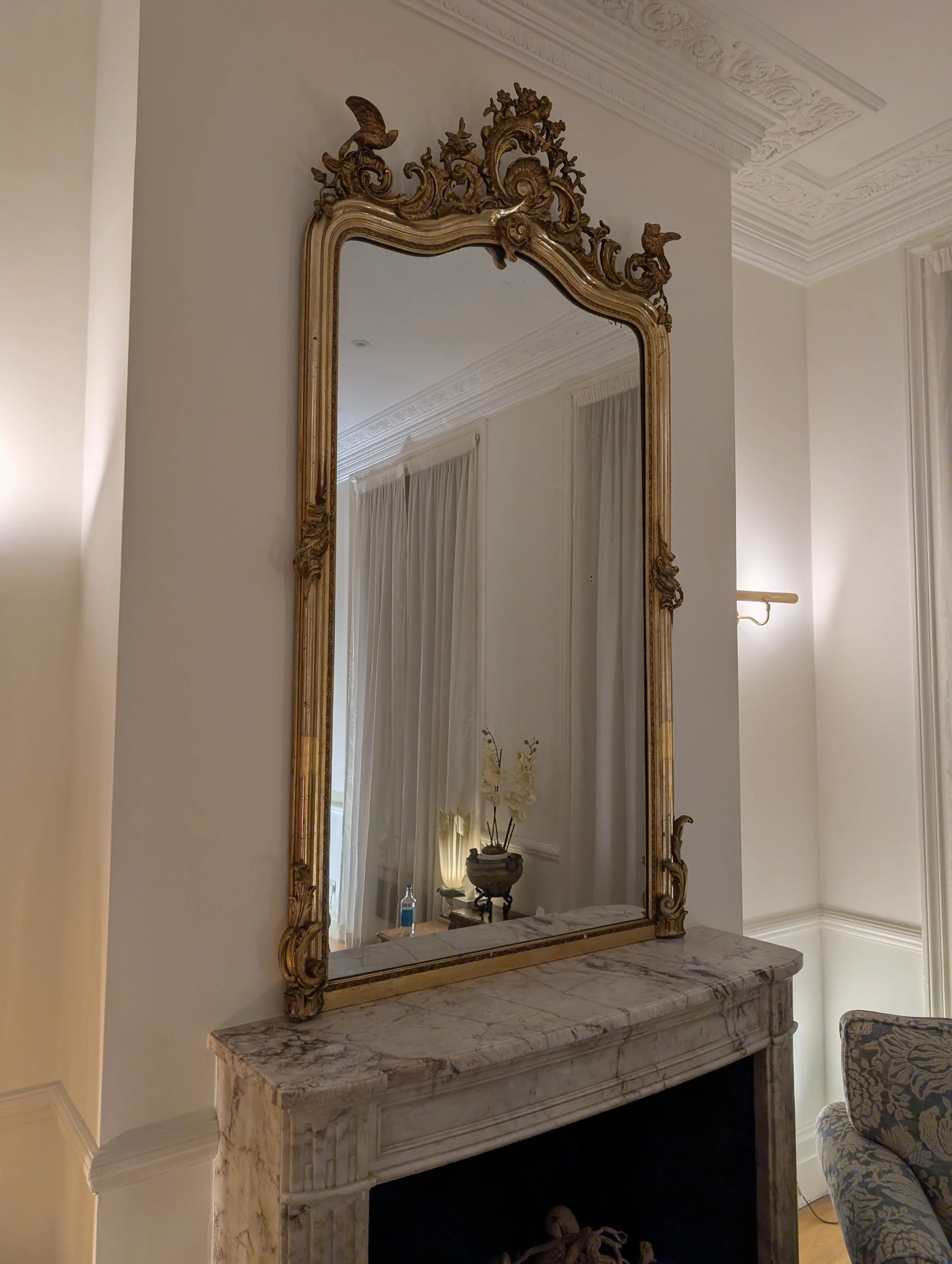
A compact bronze sculpture in a shallow frame may be relatively straightforward to secure. A large glazed mirror of the same weight can be considerably more difficult because of its size, fragility and the way the load is distributed.
Large pieces become increasingly awkward to control during lifting. As dimensions increase, so does the leverage acting on the fixings, making accurate positioning more difficult and placing greater stress on both the wall and the hanging system.
Professional installers therefore assess an artwork as a whole, rather than simply looking at the number on a scale.
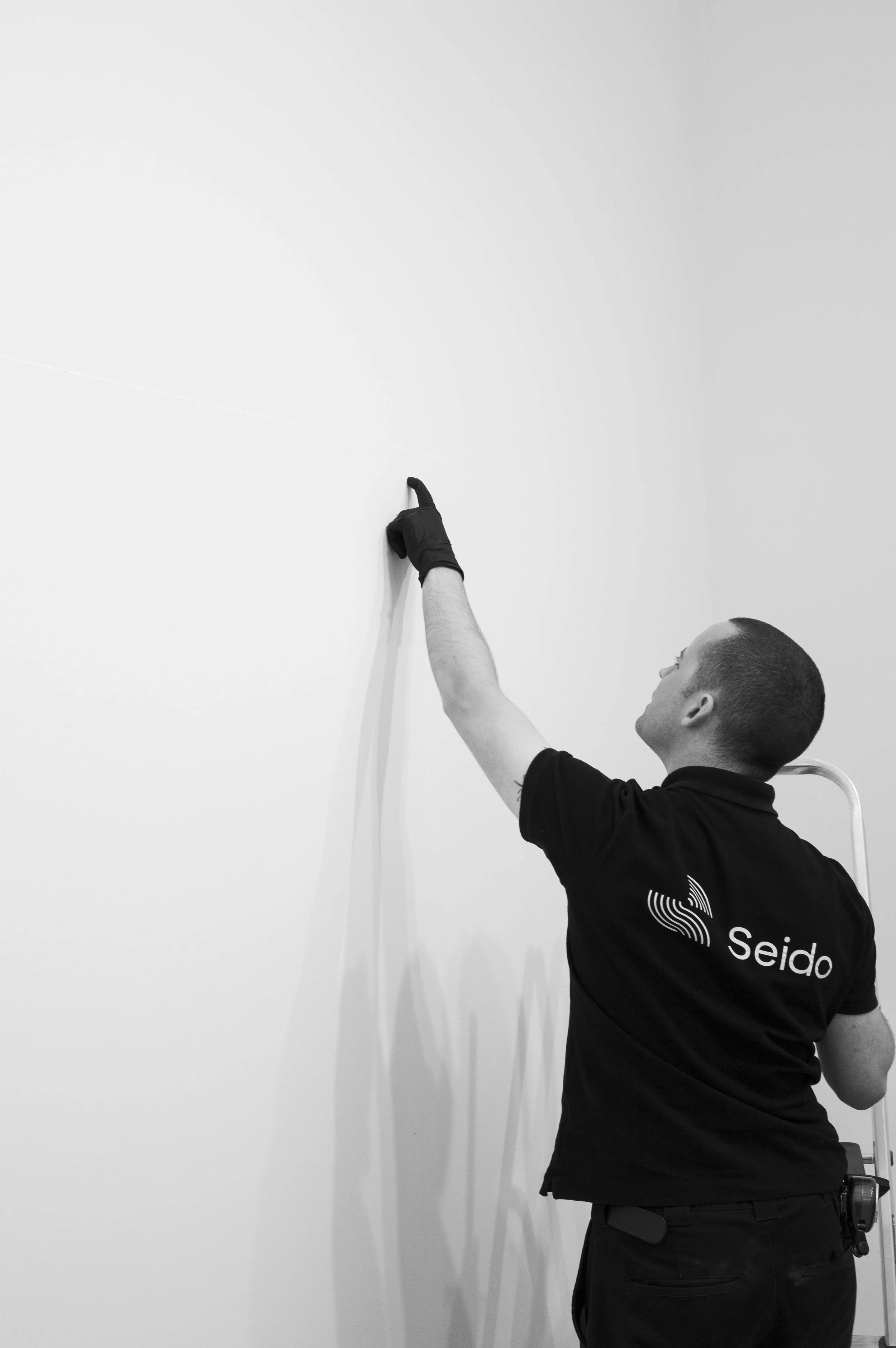
The Wall Matters Just as Much
People often ask how much weight a plasterboard wall can support. While there are published load ratings for various fixings, these figures should never be taken in isolation.
The same fixing may perform very differently depending on the condition of the wall, the thickness of the plasterboard, whether it has been previously repaired, and whether the load is applied close to a stud, near an edge or in the centre of a panel.
Similarly, solid masonry walls are not always as strong as they appear. Older brickwork, lime mortar, lightweight blockwork and poorly repaired walls can all influence the fixing method.
Before drilling any hole, we consider:
the wall construction
the condition of the substrate
the type of fixing required
the overall load path into the structure
whether hidden services such as pipes or electrical cables may be present
The objective is not simply to make the artwork stay on the wall today, but to ensure it remains secure for many years to come.
Size Often Creates More Risk Than Weight
A large mirror can be surprisingly difficult to handle, even when it weighs less than expected.
Wide mirrors and oversized artworks become unstable as they are lifted. They are more likely to catch corners, strike ceilings or twist unexpectedly while being manoeuvred into position.
This is one reason why installations that appear straightforward in photographs can require considerably more planning once viewed in person.
In some situations, the challenge is not supporting the finished weight on the wall, but safely getting the artwork into position without damaging the piece, the property or the people handling it.
The Importance of the Hanging Method
Professional installers select hanging systems according to both the artwork and the building.
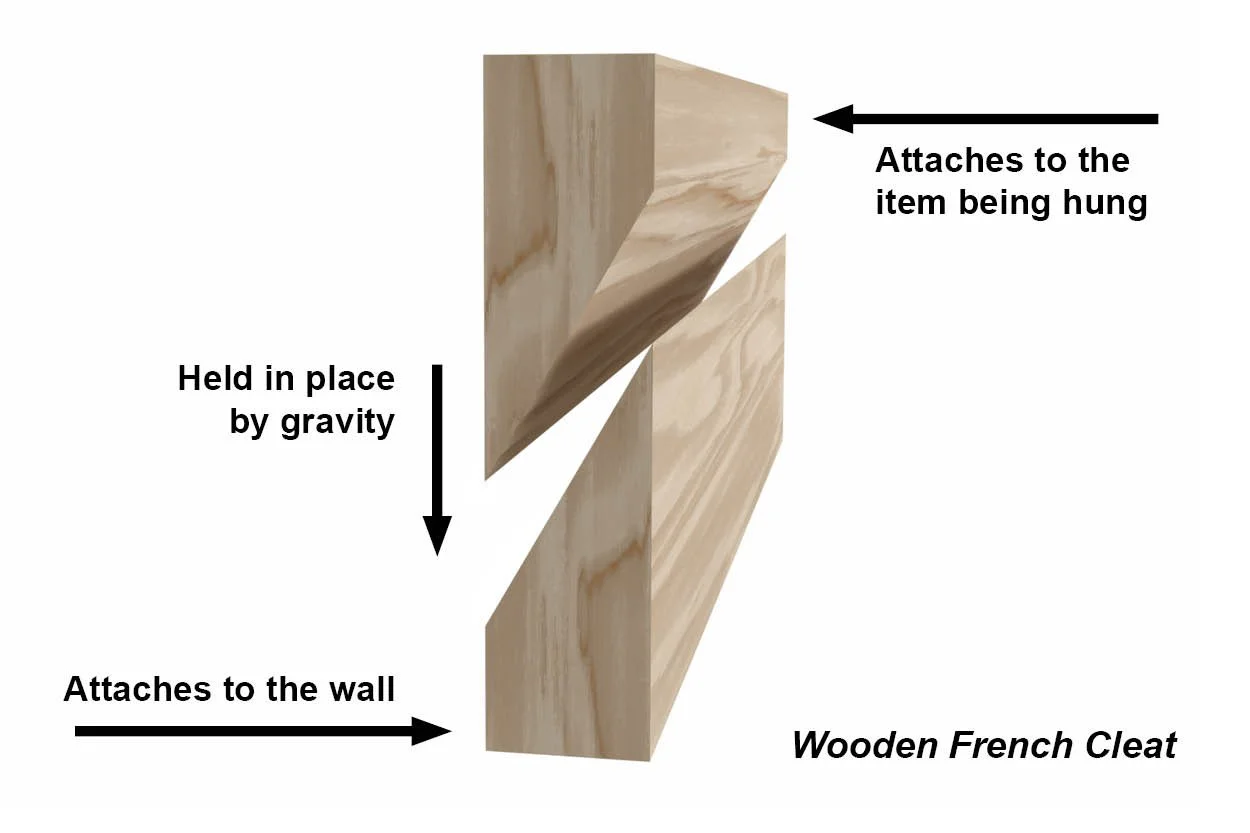
Rather than relying on a single fixing wherever possible, we often use methods that distribute loads more evenly across the wall. Depending on the artwork, this may include dual fixing points, French cleat systems, concealed security fixings or bespoke mounting solutions.
The objective is not simply to carry the weight, but to minimise movement, prevent rotation and ensure the artwork remains level over time.
A well-installed picture should look effortless, but achieving that often involves careful engineering behind the frame.
When Does an Installation Need More Than One Person?
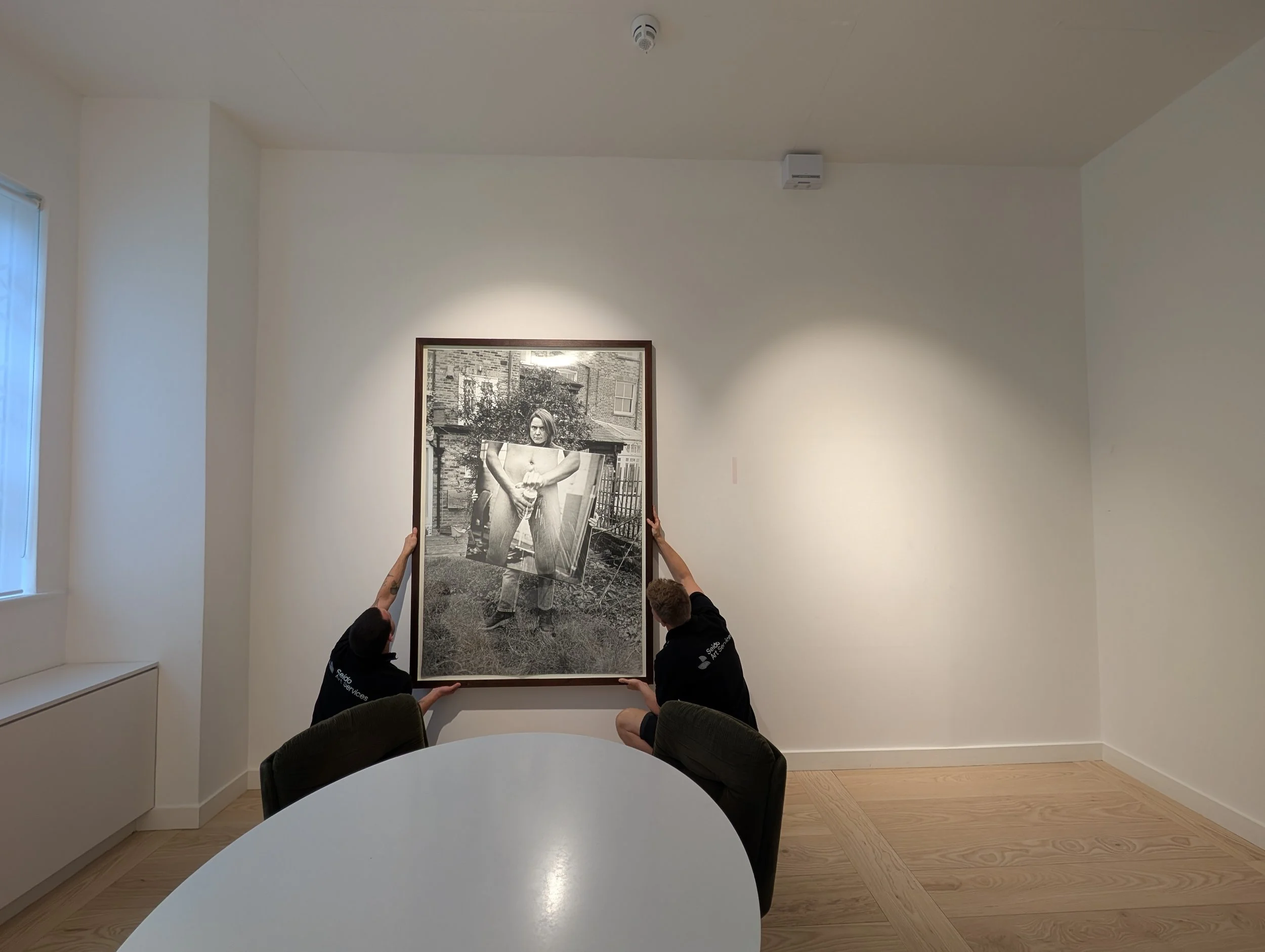
Many heavier pieces can only be installed safely by two or more people.
This isn't simply because of the weight itself. Large glazed artworks, oversized mirrors and deep framed pieces often require one person to support and stabilise the artwork while another aligns the fixings with millimetre accuracy.
For particularly valuable or fragile works, additional personnel allow the artwork to remain fully supported throughout the installation, significantly reducing the risk of accidental impact.
Professional installers also understand how to coordinate lifting safely, reducing unnecessary strain on both the artwork and the people handling it.
When Specialist Equipment Becomes Necessary
Some installations cannot be completed safely by hand.
Very large mirrors, architectural artworks or installations positioned high above staircases, double-height entrance halls or commercial reception areas may require specialist lifting equipment, scaffold towers or mobile access platforms.
Planning these installations begins long before the artwork arrives on site. Access routes, floor protection, lifting clearances and safe working methods are all considered in advance to ensure the installation proceeds efficiently and without unnecessary risk.
For many of these projects, the preparation takes considerably longer than the installation itself.
A Practical Rule of Thumb
There is no single weight at which an artwork becomes "too heavy" to hang yourself.
However, as a general guide:
Small framed pictures can often be installed safely by a competent DIYer using appropriate fixings.
Medium-sized artworks begin to require more careful consideration of both the wall construction and hanging method.
Large mirrors, glazed artworks and anything particularly valuable deserve a more cautious approach, regardless of weight.
If an installation requires two people simply to lift the piece comfortably, it is usually worth considering professional installation.
Ultimately, the cost of replacing damaged artwork, repairing walls or treating an injury is likely to outweigh the cost of having the installation completed correctly in the first place.
Experience Makes the Difference
Professional art installation is not simply about drilling holes in walls.
It involves understanding how different buildings behave, how materials perform under load and how artworks can be handled safely without compromising either their condition or their presentation.
Every installation is unique. The safest approach is always based on an assessment of the artwork, the wall and the environment as a whole—not just the number of kilograms involved.
That is why there is no universal answer to the question, "How heavy is too heavy?" There is only the right solution for the particular artwork, in the particular location, using the appropriate installation method.