Art Installation for Hotel Rollouts: What Interior Designers and Procurement Teams Should Know Before Booking
Every hotel opening has a fixed date, and art is almost always one of the last things to go in. By the time an installation team arrives, the rooms are usually finished, the schedule has usually slipped somewhere else on site, and there's rarely any room left to absorb delays. For interior designers and procurement teams managing a hospitality fit-out, choosing the right art installation partner is less about who can hang a picture well and more about who can work reliably inside that pressure, at scale, without adding a new risk to an already tight programme.
This guide covers what large-scale hotel art installation actually involves, from scheduling around a live construction site to the security fixings hotels rely on day to day, based on projects we've delivered across the UK and internationally.
Why Hotel Installation Is a Different Discipline
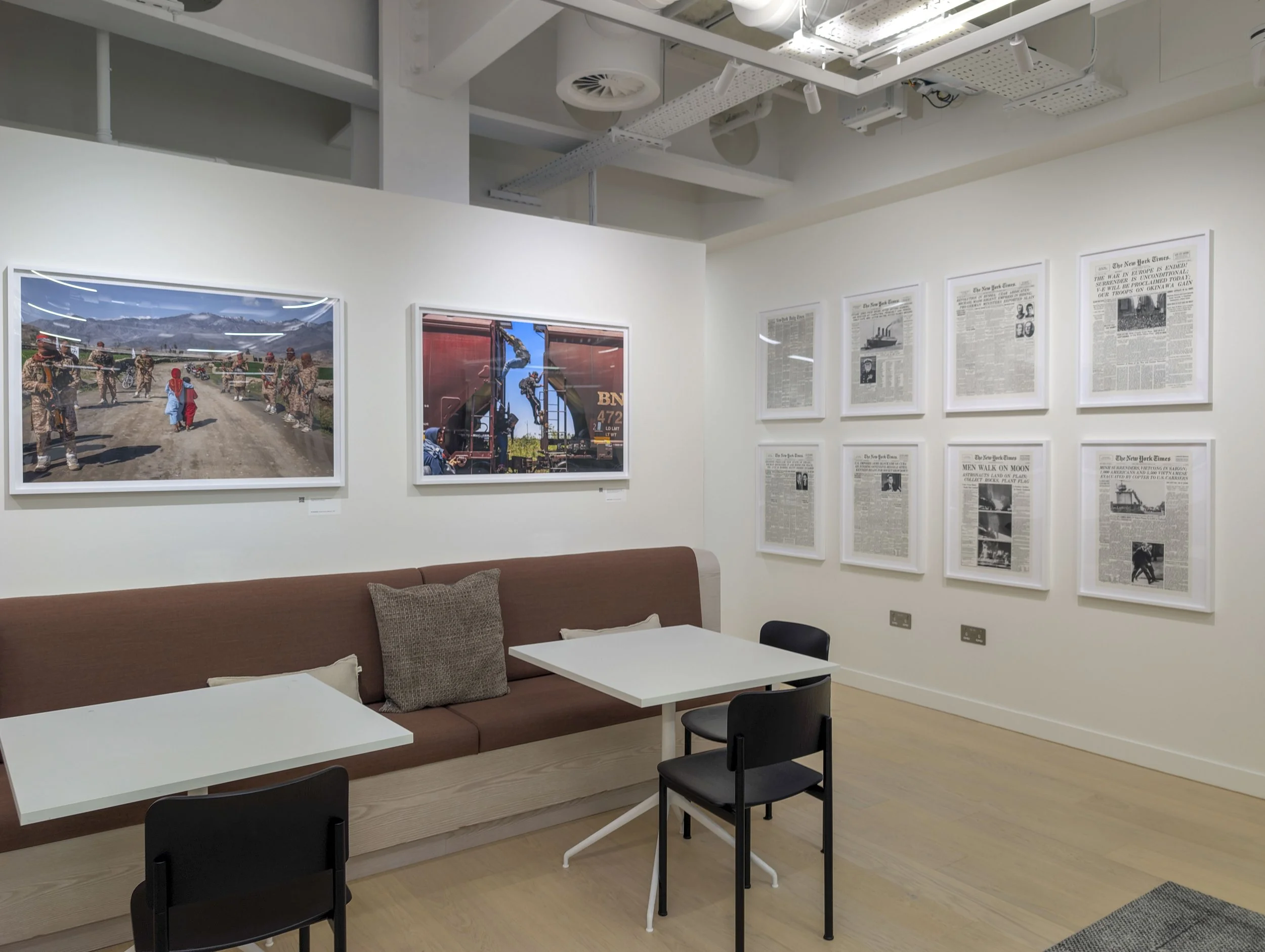
Hanging a single painting well and installing artwork across a 300-room hotel are not the same skill scaled up. A hotel rollout has to be consistent across every floor, every room type, and often several different contractors' work areas, while also being fast enough to fit inside a construction programme that was never built around the art arriving last. The real work in a project like this happens before a single piece goes on a wall: agreeing a schedule that fits the contractor's own programme, understanding how deliveries will arrive and in what order, and knowing exactly how each room type should look before the first frame is unpacked.
Planning an Installation Around a Live Construction Programme
Hotel art installation almost never happens after construction finishes. It happens during it, floor by floor, often room by room, alongside electricians, decorators and furniture teams still finishing the same spaces. That means the installation schedule has to be built around the contractor's programme rather than the other way round, with enough flexibility to adjust when other trades run ahead or behind.
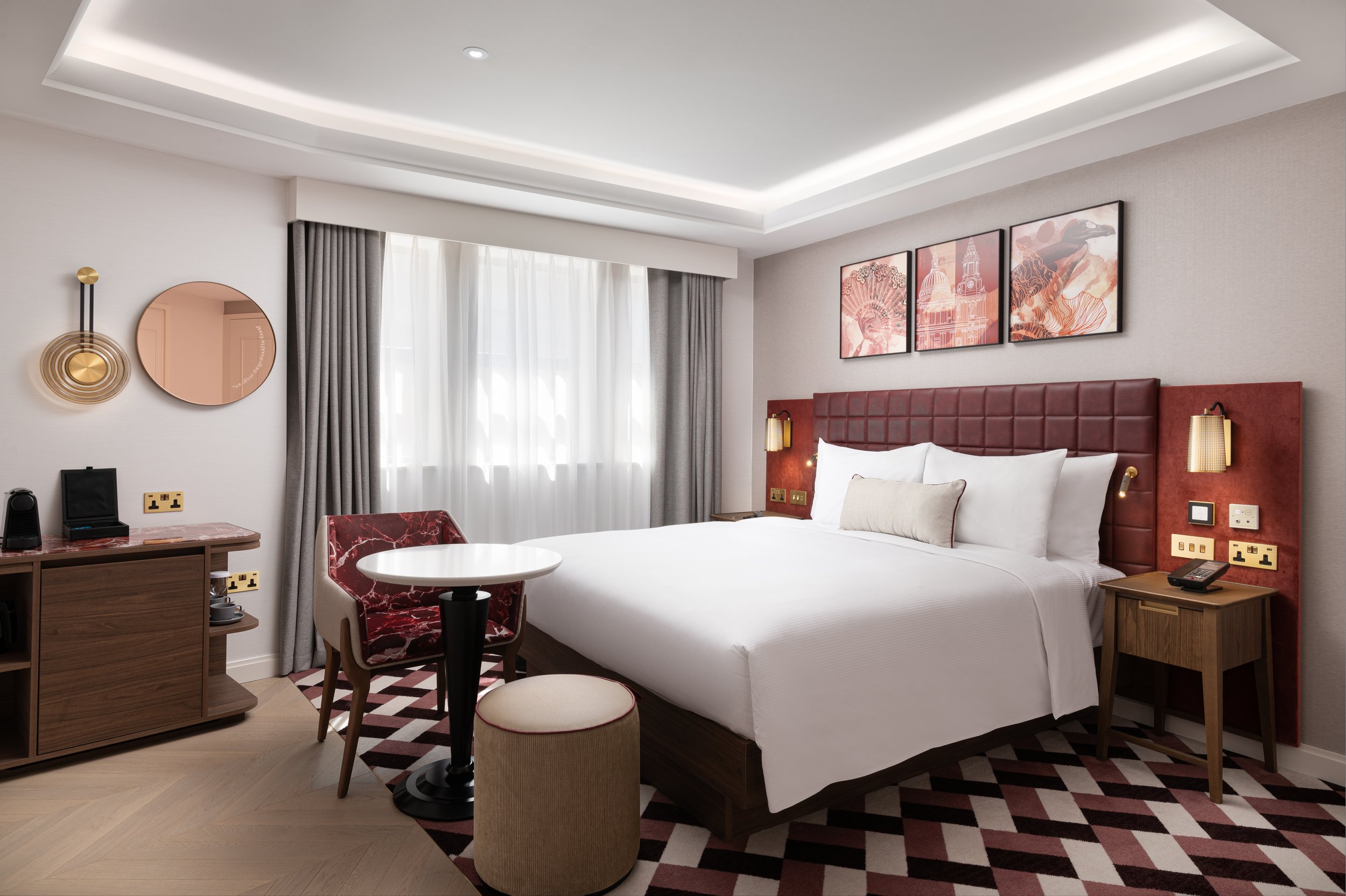
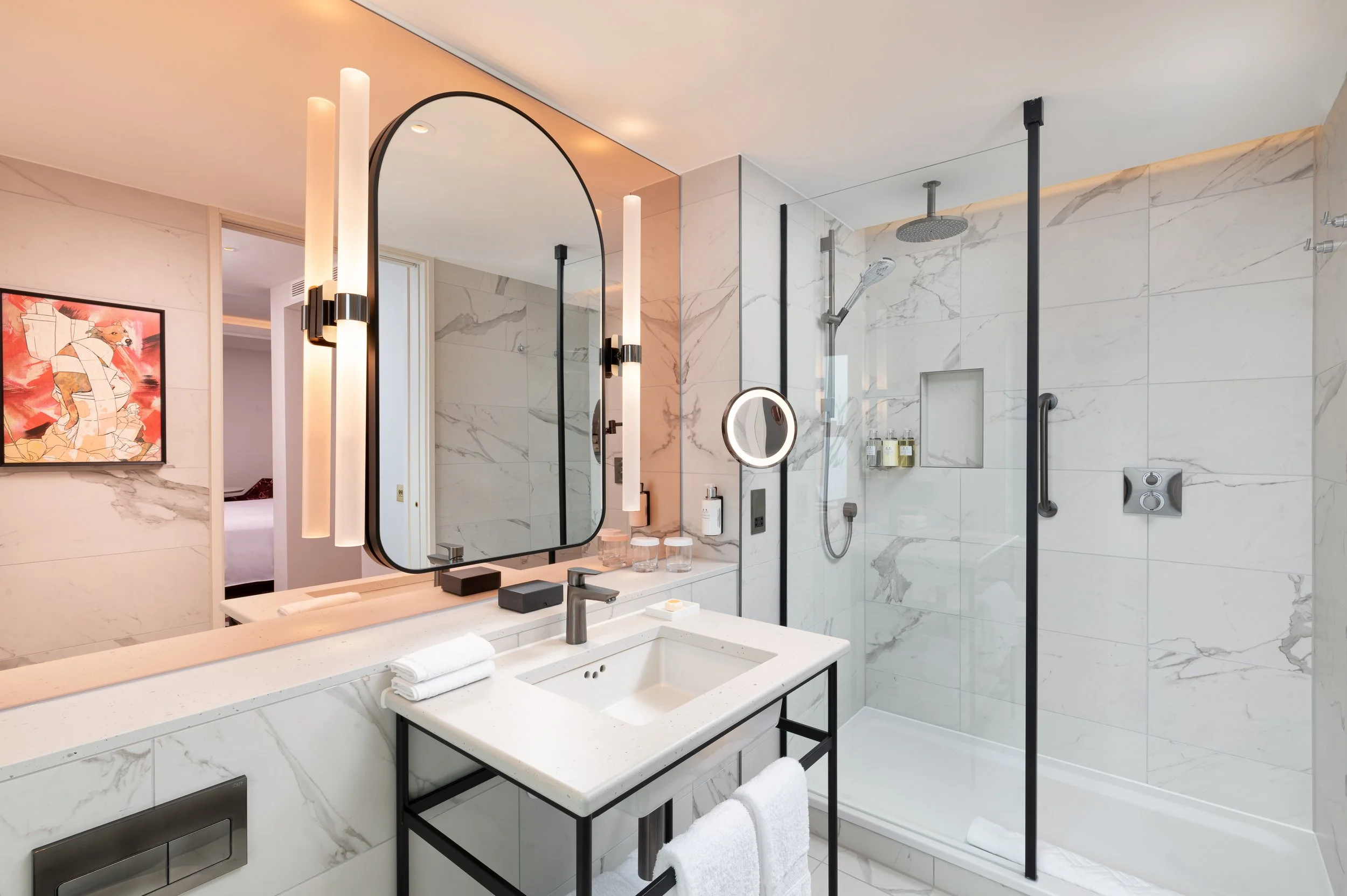
On our installation at Mason & Fifth's Westbourne Park hotel, this meant coordinating directly with Interior Address and the main contractor to sequence over 1,400 artworks and mirrors across 332 studio rooms and communal spaces, completing the full programme in under two weeks, ahead of schedule and within budget. That pace is only possible with a phased plan agreed in advance, not worked out room by room as the team goes.
What a Large-Scale Rollout Actually Involves
At scale, the practical logistics matter as much as the installation itself. Artwork typically arrives in large batches rather than all at once, so it needs to be received, checked against room schedules, and distributed to the correct floor before installation can even begin. Every piece is then positioned according to the elevations supplied by the design team, so a guest moving between identical room types sees a consistent result rather than small inconsistencies that undermine the overall design.
Our installation at Lost Property Hotel, part of Hilton's Curio Collection, is a good example of this in practice. Working with Wrapped LA, Key Interior & Design and the Dominvs Group, we installed over 720 artworks across 145 guest rooms and communal areas within a live construction environment, which required strict sequencing so the installation team was never working in a space another trade needed access to on the same day.
Security Fixings Are a Standard, Not an Add-On
Hotels and restaurants are public-facing environments, and artwork left on a standard picture hook is genuinely at risk of opportunist removal. Because of this, security fixings such as Springlock and T-Screw fittings are standard practice on hospitality projects, not an optional extra reserved for particularly valuable pieces. Both work by requiring a specific tool or key to remove the artwork, which is enough to deter casual theft without adding any complexity to the initial installation.
We supply and fit these as a matter of course on hotel and restaurant projects, and we also demonstrate and supply the removal method to the client, so authorised staff can take a piece down for cleaning, maintenance or replacement without needing to call us back out for something straightforward. Given how much a full frame and print typically costs to replace across dozens of rooms, this is one of the more cost-effective decisions a procurement team can make early in a project.
Installing Internationally and in Non-Standard Environments
Not every hospitality project follows a conventional build programme. In 2024, we completed the installation of over 300 artworks within a hotel development in Al Ula, Saudi Arabia, managing logistics, team coordination and on-site execution within an international construction framework, where local site conditions and supply timelines needed to be built into the plan from the outset.
In 2025, we also delivered a maritime installation of over 400 artworks aboard a Royal Caribbean Celebrity Line cruise ship, working within shipyard scheduling and marine safety requirements that don't apply to any land-based project. Both are examples of the same underlying principle: the installation plan has to be built around the realities of the specific site, not adapted from a standard template after the fact.
Choosing an Installation Partner for a Hospitality Project
For a designer or procurement lead evaluating installation partners, a few questions tend to matter more than a general portfolio review:
Can they show a comparable project at similar scale, not just individual high-value pieces?
Do they have direct experience coordinating with main contractors and other trades on a live site, rather than only working in finished spaces?
Do they fit security hardware as standard for hospitality environments, and can they explain how it works?
Can they manage international logistics if the project isn't based in the UK?
A team that can answer all four with a specific example, rather than a general assurance, is generally a safer choice for a project where the installation date isn't moving.
If you're planning a hotel, serviced apartment or hospitality art rollout, we're glad to talk through scheduling, logistics and security fixings before the project reaches site. You can read more about our hotel art installation service or get in touch to discuss your project.
Frequently Asked Questions
How far in advance should we book art installation for a hotel opening? For a full hotel rollout, we'd recommend engaging an installation partner as soon as the room count, artwork specification and rough opening date are confirmed, ideally several months ahead, since the installation schedule needs to be built around the wider construction programme rather than slotted in afterwards.
How many rooms or artworks can be installed in a typical hotel rollout? This depends on team size and site access, but as a reference point, we completed installation of over 1,400 artworks and mirrors across 332 rooms in under two weeks on a recent project. Larger or more complex sites are planned with a correspondingly larger team rather than a longer single-team timeline.
Can artwork be installed while a hotel is still under construction? Yes, this is the normal working environment for most hospitality projects rather than the exception. We coordinate directly with the main contractor to schedule installation around other trades still finishing nearby spaces, protecting newly completed finishes throughout.
What security fixings do you use for hotel and restaurant artwork? We typically fit Springlock or T-Screw security fittings, both standard in hospitality environments to deter opportunist theft. We also supply and demonstrate the removal method so authorised staff can take a piece down when genuinely needed.
Do you handle art installation for international hotel projects? Yes. We've completed installations including a 300-artwork hotel development in Saudi Arabia and a maritime installation aboard a Royal Caribbean cruise ship, and we supply and manage fully briefed installation teams for projects outside the UK.